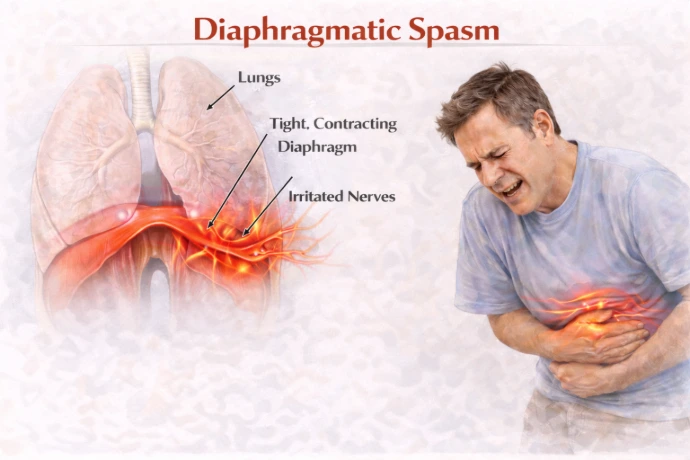
At Mr. Yu Master Acupuncture & Healthcare, we provide a comprehensive Traditional Chinese Medicine (TCM) approach to support individuals experiencing diaphragmatic spasm. This condition may present as involuntary diaphragm contractions, hiccups, chest tightness, shortness of breath, upper abdominal discomfort, or breathing irregularities, often worsened by stress, fatigue, or digestive imbalance.
From a TCM perspective, diaphragmatic spasm is commonly associated with Qi stagnation, particularly Liver Qi constraint, rebellious Stomach Qi, or disharmony between the Liver and Spleen. Emotional stress, digestive weakness, or poor posture can disrupt the smooth flow of Qi through the diaphragm, leading to spasm and discomfort.
By regulating Qi movement and relaxing the diaphragm and surrounding muscles, TCM helps restore natural breathing rhythm and comfort.
Our TCM Support Methods for Diaphragmatic Spasm
1. Acupuncture
Carefully selected acupuncture points on the chest, abdomen, back, and limbs help to:
- Regulate Qi flow through the diaphragm
- Calm involuntary muscle contractions
- Ease chest tightness and breathing discomfort
- Support relaxation of the nervous system
2. Electro-Acupuncture (When Appropriate)
Electro-acupuncture may be used to:
- Provide gentle, continuous stimulation to calm muscle spasm
- Support nerve-muscle regulation
- Enhance relaxation of the diaphragm
3. Mr. Yu Special Massage
Our signature massage focuses on the chest, upper abdomen, rib cage, neck, and upper back to:
- Release muscular tension restricting diaphragmatic movement
- Improve posture and breathing mechanics
- Promote relaxation and comfort
4. Postural & Breathing Support (TCM-based Guidance)
Where appropriate, we may provide guidance to:
- Improve breathing patterns
- Reduce stress-related muscle tension
- Support smoother coordination between breathing and movement
Expected Benefits
With consistent TCM support at Mr. Yu Master Acupuncture & Healthcare, patients often experience:
- Reduced frequency and intensity of diaphragm spasms
- Easier, deeper breathing
- Less chest or upper abdominal tightness
- Improved relaxation and stress tolerance
- Better overall comfort and wellbeing